High School
1st, 2nd and 3rd years
In Education 4.0, preparation for entrance exams is still considered, but it is not the only focus. This model recognizes that a complete education goes beyond memorizing exam-specific content!
The goal is to provide students with a solid knowledge base and to develop essential competencies for the challenges of the 21st century — such as critical thinking, problem solving, autonomy, collaboration, and financial literacy.
In this way, students learn to manage resources responsibly, plan for their future, and make thoughtful decisions, preparing themselves not only for entrance exams but also for a conscious, adaptable, and effective role in the real world.
Our Pedagogical References
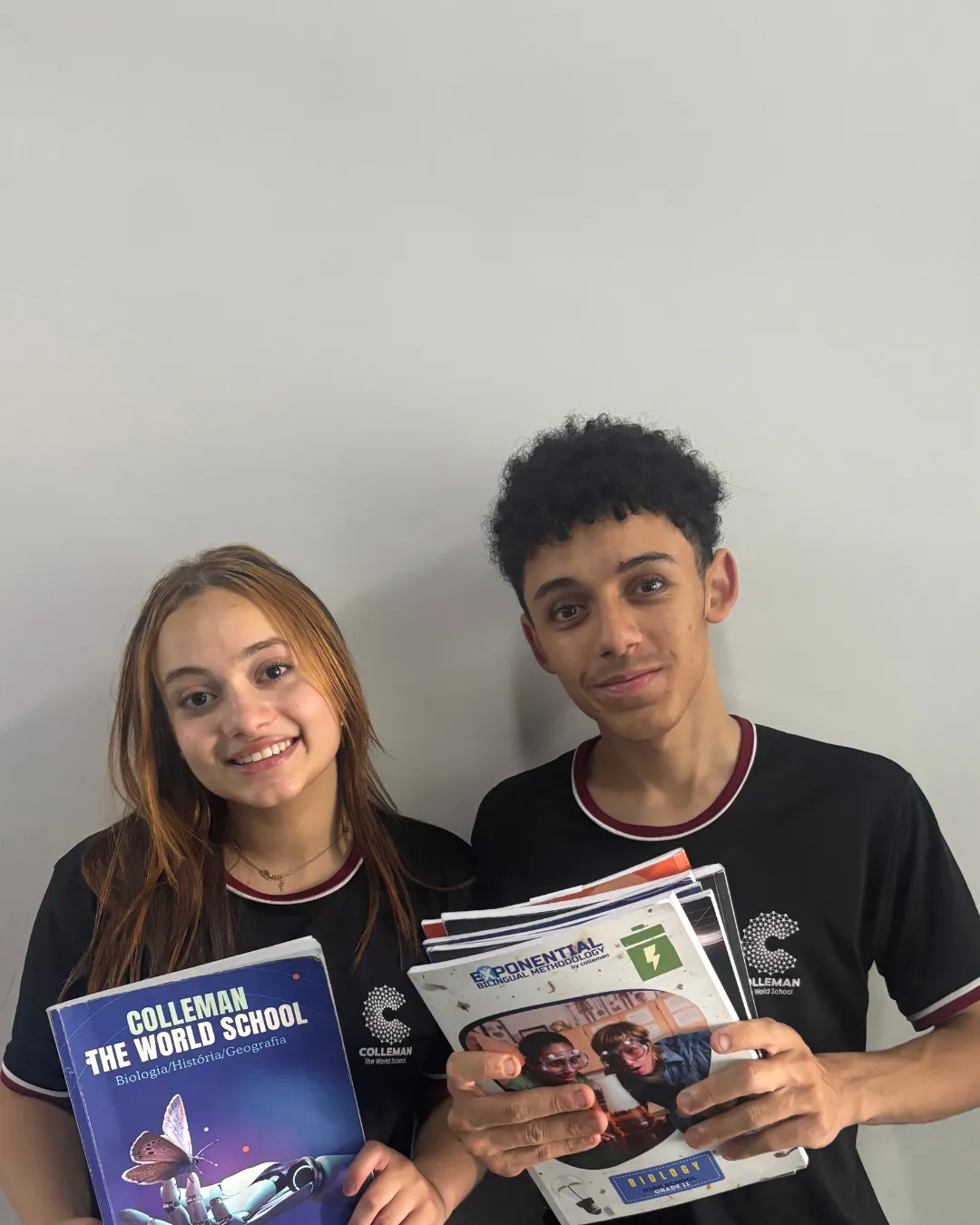
Inspired by international references such as Finland and grounded in scientific research on learning and human development, the Colleman Methodology prepares students for the challenges of the 21st century with an innovative, personalized, student-centered approach.
It is built on five fundamental pillars:
Active learning – students take the lead, building knowledge in a practical and meaningful way.
Personalization – instruction adapted to the needs and styles of each student.
Socioemotional skills – developing competencies such as critical thinking, creativity, empathy, leadership, communication, and self-management.
Educational technology – digital resources that enhance learning and bring students and teachers closer.
Collaboration and formative assessment – learning built together, with continuous assessments, constant feedback, and personalized review plans to ensure progress throughout the process.
Colleman Approach
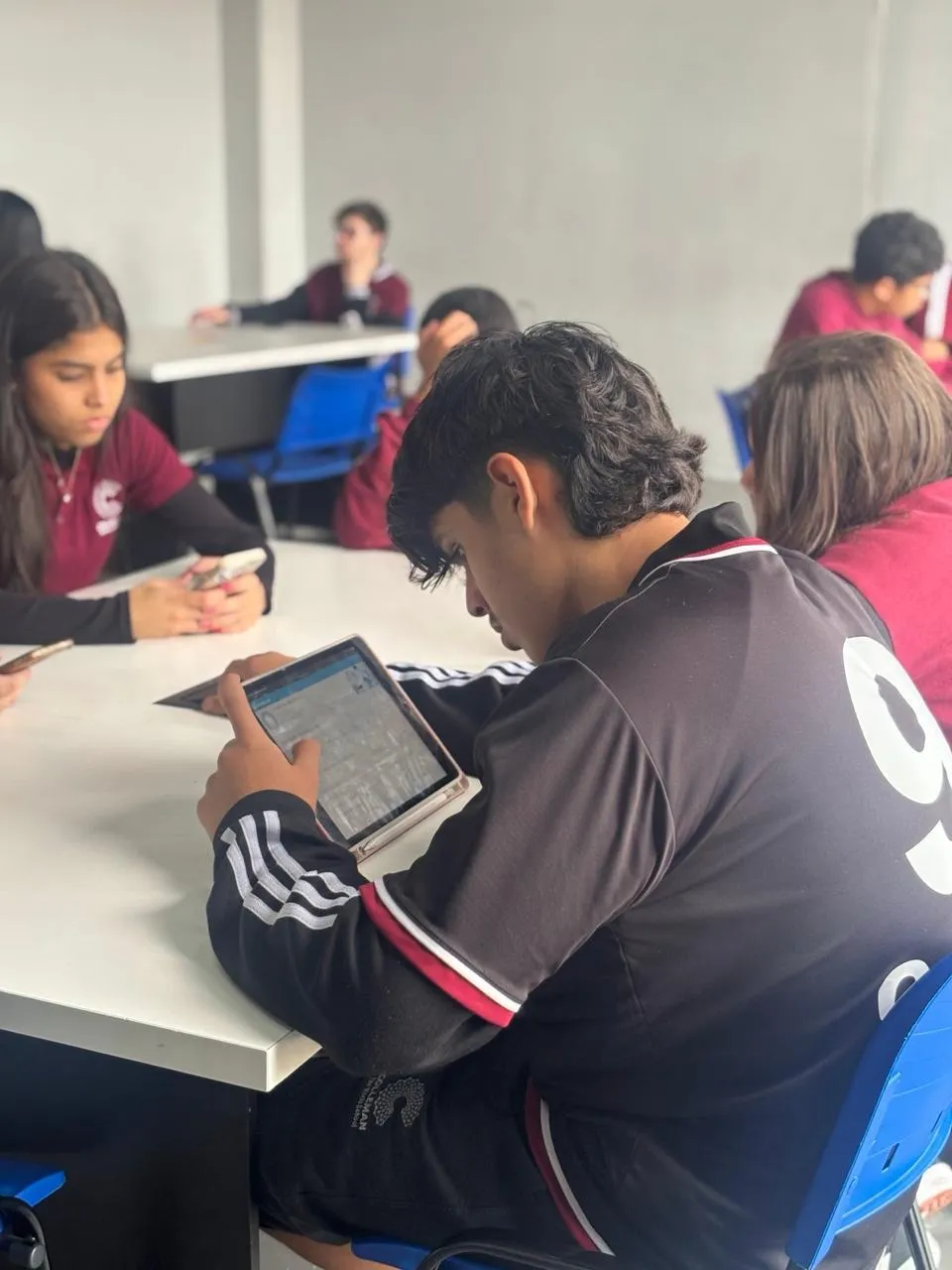
Our approach combines innovation, personalization, and concrete results to prepare students for the challenges of the 21st century.
Real projects: students apply knowledge in research and hands-on investigations.
Cyclical learning: structured instruction with video lessons, challenging activities, continuous assessments, and a culture of collaboration.
Practical experience: we value experimentation and the application of what has been learned.
Smart self-assessment: AI-powered dashboards allow students and guardians to monitor progress in real time.
Personalized tutoring: individual feedback ensures support to reach maximum potential.
Benefits:
Better results in assessments and in real life.
Greater student engagement and motivation.
A dynamic, collaborative environment focused on holistic development.
Entrepreneurial Education
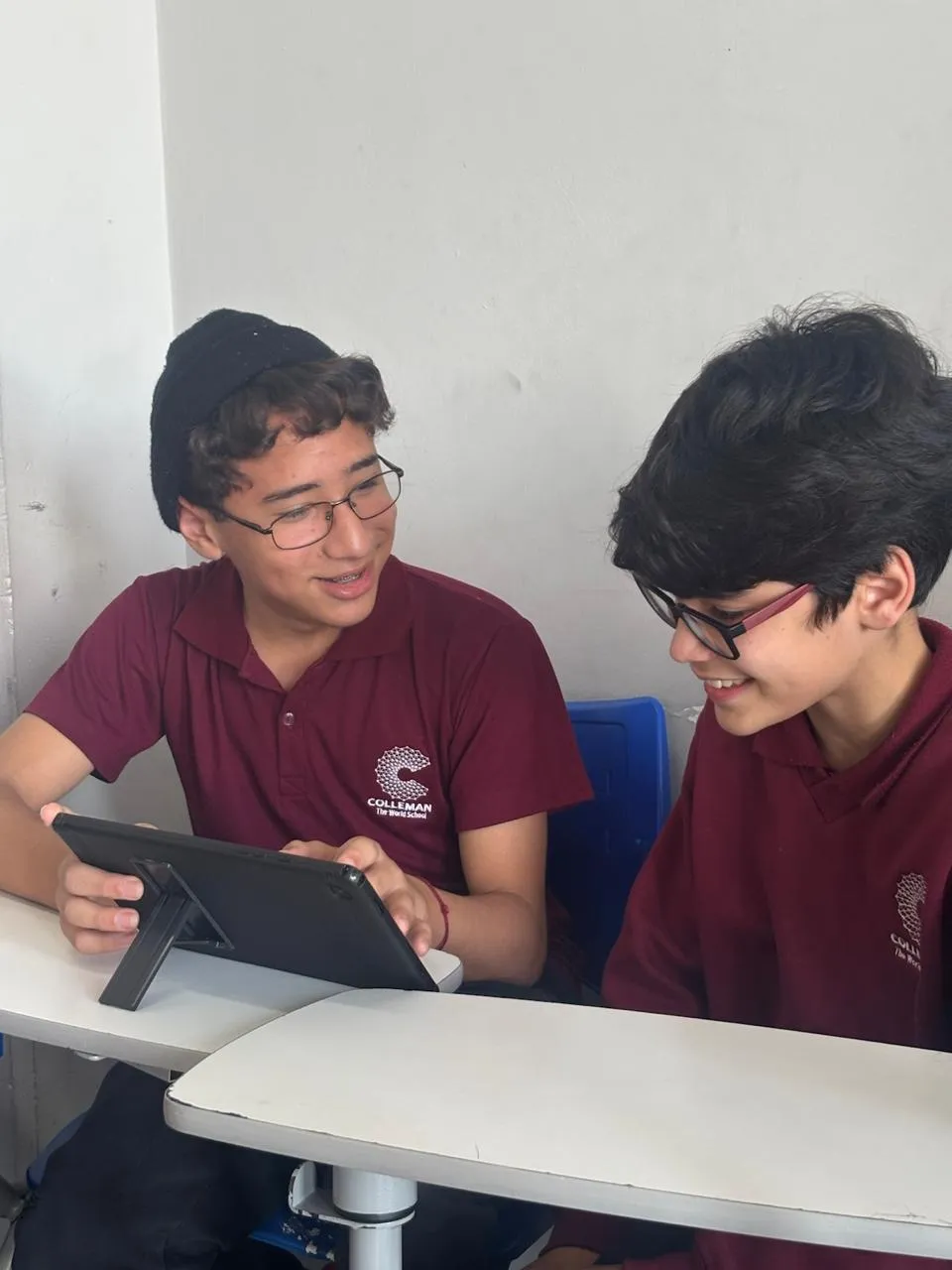
More than starting businesses, entrepreneurship is a mindset. Students are encouraged to innovate, solve real problems, work in teams, and take ownership of their projects. This way, they develop autonomy, creativity, and purpose, becoming ready to transform the future.
Entrance Exam Preparation In
Education 4.0
Education 4.0 sees the entrance exam as part of the process, but prepares students for much more: to be global citizens, critical thinkers, and protagonists of their own stories.
Solid Academic Foundation
Students receive support to master the content required by entrance exams and the ENEM, using methodologies that make learning more meaningful and less mechanical.
Socioemotional Skills
Beyond memorizing formulas, students develop competencies such as resilience, self-management, empathy, and leadership, which are essential both for taking exams and for the challenges of adult life.

Critical Thinking and Problem Solving
Instead of just answering questions, students learn to question, analyze, and create solutions, which sets them apart in essay-based assessments and in professional life.
Use of Technology and Innovation
Digital tools, active methodologies, and interdisciplinary projects help make learning more dynamic, bringing school closer to the reality of the 21st century.
Life Project
Students are encouraged to reflect on their personal and professional goals, understanding the entrance exam as a step within a larger journey, not as an end in itself.
Contact us and schedule a visit
Request more information about High School
Discover the Colleman Experience.
FAQ
Is the focus only on the entrance exams and the ENEM?
No. Our goal is to form global citizens prepared for any future path. The curriculum covers academic and socioemotional competencies and interdisciplinary projects that go far beyond exam preparation.
What pedagogical model is adopted in High School?
Our curriculum includes a bilingual approach, project-based learning, the use of educational technology, and a focus on the student's complete development — cognitively, emotionally, and socially.
My child doesn't speak English; how will they adapt?
Even without speaking English at first, your child will be welcomed, understood, and encouraged to communicate little by little. Bilingual immersion allows them to build vocabulary gradually, without pressure, until they feel confident to speak.
Are there exchange programs and international experiences?
Yes. The Summer Program is an international experience exclusively for 9th-grade and 3rd-year High School students, offered through Mahina Tour. It is an educational course abroad, with academic, cultural, and immersion activities. Our students have access to special conditions and an exclusive discount to join the program, expanding their opportunities for global experience and curricular enrichment.
Audio Clips From Colleman School's Founder - Joice Pexirile
🧩 New Education
🌍 International Education
🗣️ My child doesn't speak English yet; will they keep up?
🏅 Why Colleman Students Stand Out On The ENEM
📊 Assessment In The New Education
🎯 Personalized Learning
💰 Prices (Fees)
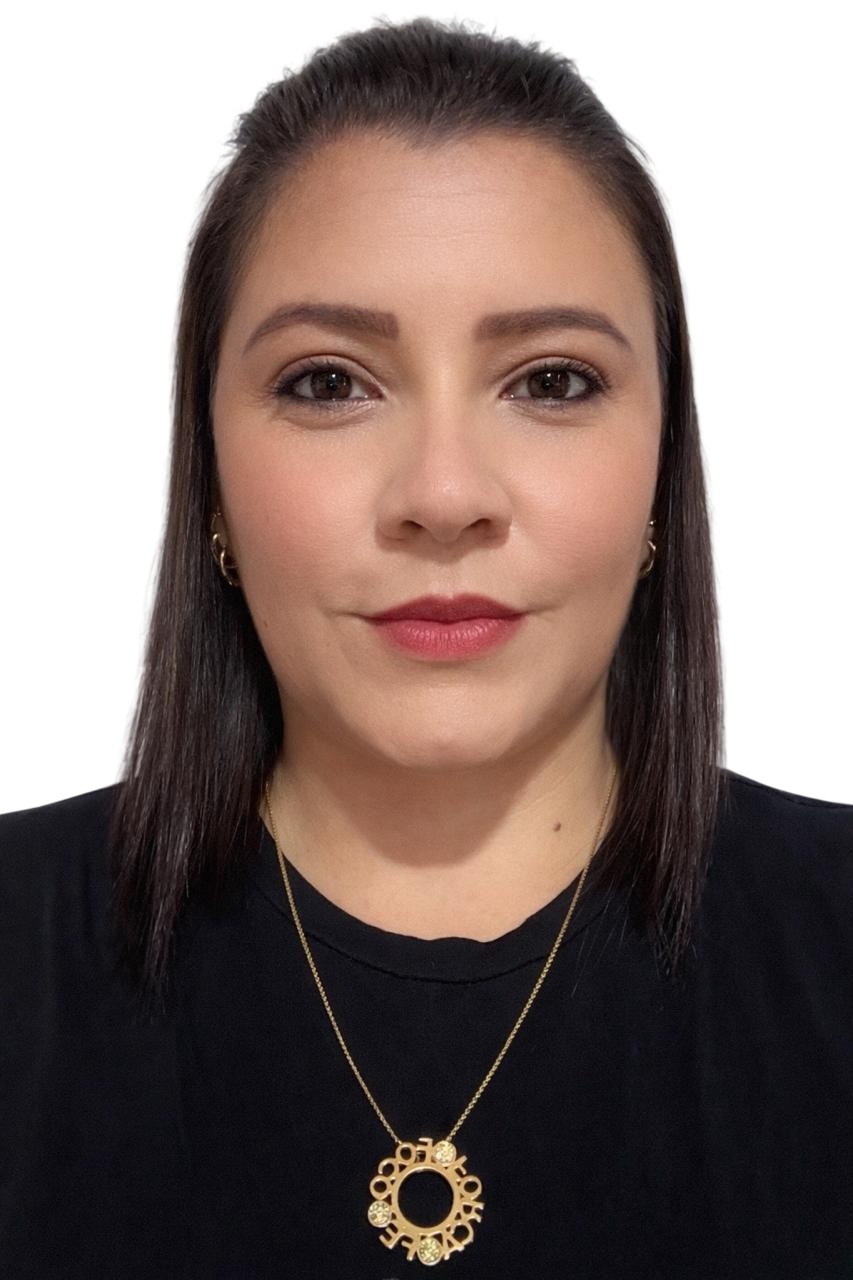
Message from the General Coordinator
Stefanie Arrudas
A Colleman The World School believes in an education that prepares students for the world. Through active methodology and the strategic use of technology, students learn in a participatory way, developing autonomy, critical thinking, and fluency in a second language.
Here, teaching goes beyond content: it is about shaping global citizens who are prepared for the challenges of the present and the opportunities of the future.
“Education transforms lives, bilingualism broadens horizons, and technology connects the present to the future.”
 1
1
Contact Us

152 Almirante Tamandaré Street, Mauá – SP, 09310-350, Brazil
© Colleman School - All rights reserved.